



Apartment rent growth gained positive momentum in 2026, with the national average advertised rent reaching $1,773. That was a $2 increase from July to August, while annual rent growth reached 0.4%, its strongest pace in close to a year. The national numbers point to encouraging progress after a period of heavy apartment deliveries and limited pricing power, although conditions continue to vary across markets. For multifamily owners and property management teams, this improving environment creates opportunities to sharpen local positioning, enhance properties, and plan renovations that support long-term investment goals.
National Rent Growth Builds Momentum
Advertised apartment rents increased 0.1% from July to the following month, and 16 of the 30 major markets tracked recorded monthly gains. These results offer encouraging signs of stabilization and a foundation for continued improvement. New apartment supply, lease-up activity, and competing rent offers still influence what communities can charge, giving property teams an opportunity to pair national trends with submarket demand and comparable-property performance when setting future rent expectations.
Several Markets Deliver Strong Rent Growth
Several coastal and Midwestern markets recorded strong annual growth. San Francisco led at 6.1%, followed by New York at 5.3%, Kansas City at 3.0%, and Chicago at 2.6%. These gains demonstrate how favorable market conditions can support meaningful rent increases even while the national pace remains modest. Owners with properties across multiple markets can use these differences to tailor leasing strategies, capital priorities, and renovation plans to the opportunity within each asset.
Austin and Houston Offer Strategic Opportunities
Sun Belt markets with large volumes of new apartments continue to experience active lease-up competition. Austin recorded a 2.8% annual decline in advertised rents, while Houston declined 1.7%. For established Texas communities, these conditions create an opportunity to stand out through well-planned improvements, strong leasing presentation, and a clear resident experience. Owners can use local market data to prioritize renovations that strengthen each property’s appeal and support its intended price point.
Occupancy Insights Support Smarter Investment
National apartment occupancy averaged 94.2%, down 0.5 percentage points from a year earlier. Houston recorded a year-over-year occupancy decline of 0.8 percentage points. Concessions can also create a difference between advertised rents and the revenue a property receives. Reviewing renovation budgets alongside occupancy, lease terms, and leasing activity can help owners direct capital toward improvements that address property needs, strengthen competitive positioning, and support long-term performance.
Match Renovation Scopes to Property Needs
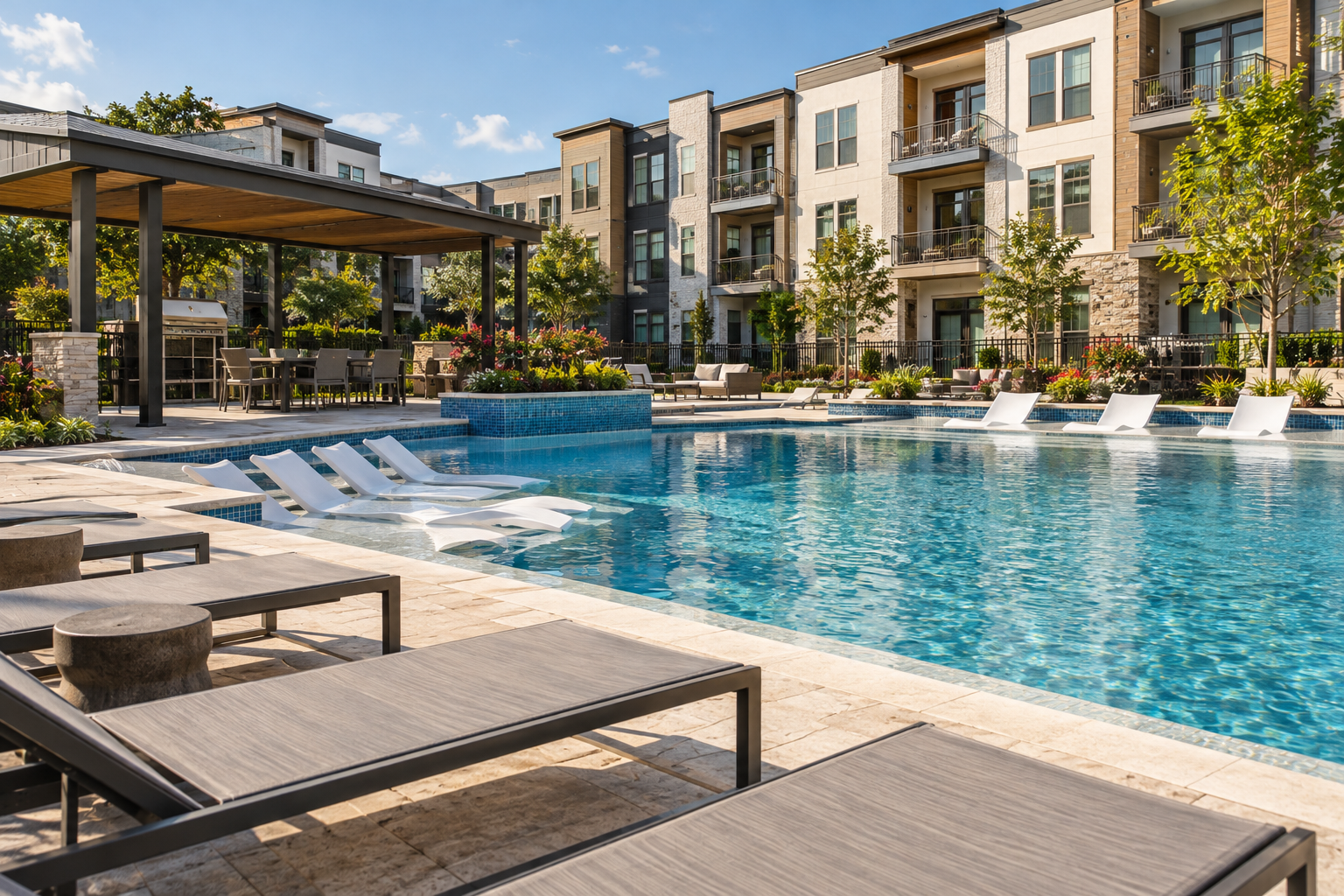
A successful renovation plan begins with the condition of the property and the expectations of its target residents. Interior updates may involve flooring, cabinets, countertops, fixtures, paint, and unit finishes. Amenity renovations can enhance clubhouses, lounges, pool areas, and outdoor gathering spaces. Exterior paint and repairs, roofing, and restoration scopes may form part of a broader capital plan. By focusing on the improvements with the clearest value, owners can elevate resident experience, strengthen leasing tours, and improve long-term asset presentation.
Coordinate Projects Around Occupied Communities
Capital improvements need to account for residents, leasing activity, and access to shared spaces. A phased schedule can separate work by building, unit group, or amenity area and limit conflicts with property operations. Project planning should consider resident notifications, material lead times, temporary closures, and how each scope connects with other renovations. For communities facing competitive leasing conditions, this coordination helps ownership complete targeted improvements while keeping resident access and property presentation part of the project plan.
Plan Your Next Multifamily Renovation With Matrix
Matrix Construction Services works with multifamily owners and property management teams to plan and complete renovation projects across occupied communities. From interior renovations and amenity updates to exterior repairs, roofing, and restoration, our team helps develop scopes that fit each property’s condition, budget, and goals. As rent growth improves and market conditions evolve, a focused renovation plan can help your community capture opportunities and compete where it matters. Contact Matrix to discuss your next multifamily improvement project.