
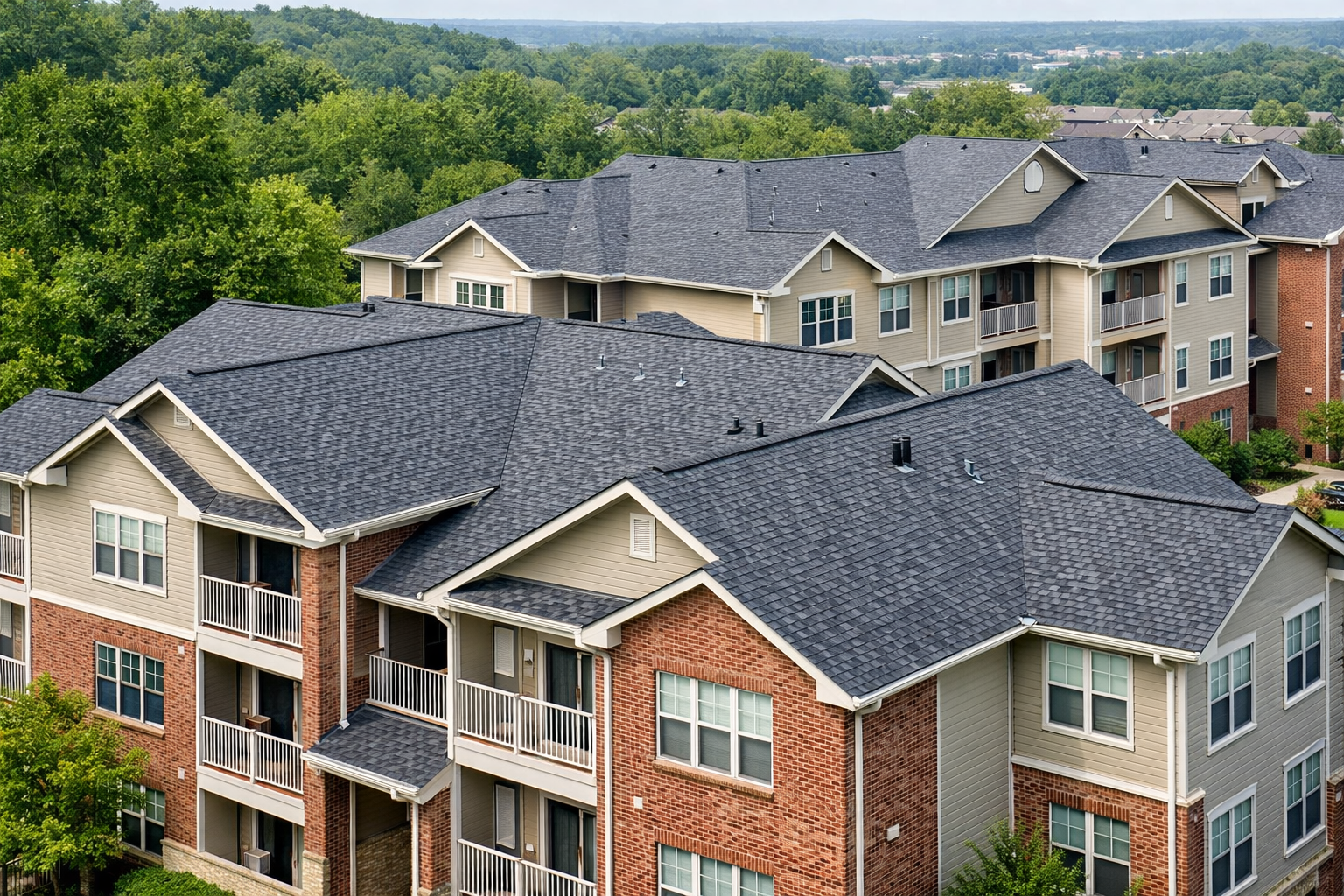

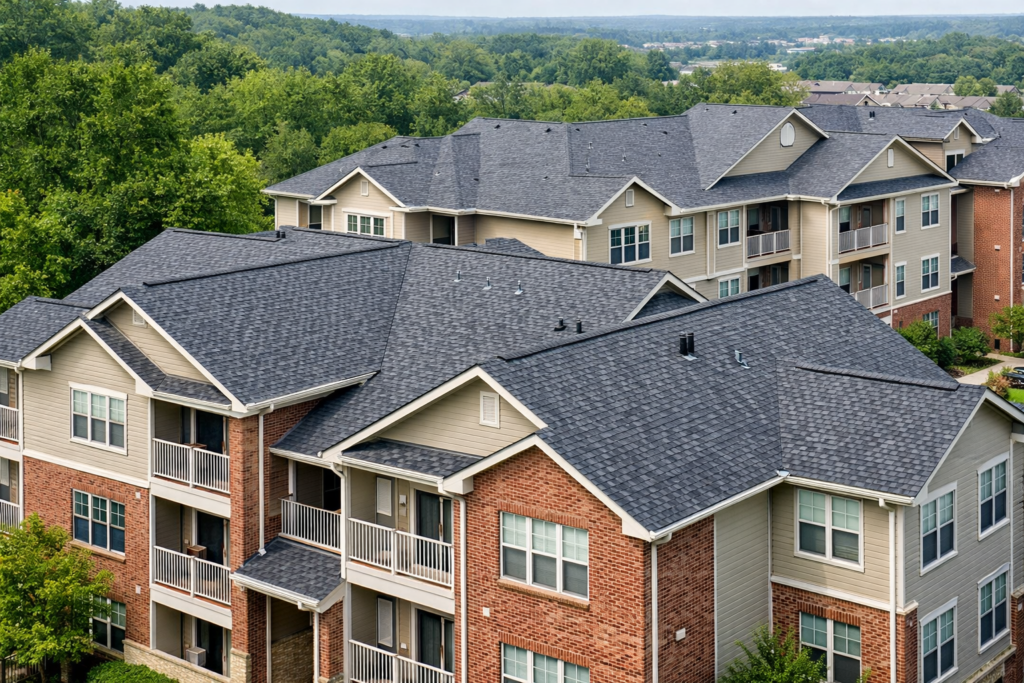

A roof replacement decision is about more than age
For multifamily owners and operators, roof replacement is not always about waiting for a roof to fail. In many cases, the better move is to replace it before ongoing issues start affecting more of the property. A roof that is past its useful life can lead to repeat repairs, interior damage, resident complaints, and added pressure on operating budgets. Knowing when to replace your roof is not just about protecting the building. It is also about protecting the value of the asset.
Frequent repairs can become a warning sign
One leak does not always mean it is time for a full replacement. But when repair calls keep coming back, the bigger issue may be the roof system itself. Patching the same areas over and over can turn into a costly cycle, especially when labor, materials, and disruption start to add up. At a certain point, replacement becomes the more practical investment because it helps reduce repeat costs and gives owners a more stable path forward.
Interior damage can point to a larger problem
Roof issues do not stay contained for long. Water intrusion can lead to damaged drywall, stained ceilings, flooring issues, insulation problems, and mold concerns. In occupied communities, that can also mean resident dissatisfaction and more time spent managing complaints and repairs. Replacing a failing roof before interior damage spreads can help avoid larger restoration costs and protect the parts of the property residents see every day.
An aging roof can affect property performance
Even if a roof is not actively leaking, age still matters. Older roof systems often become less dependable and more expensive to maintain. They can also become a concern during inspections, due diligence, insurance reviews, or property sale discussions. A new roof can strengthen the overall condition of the asset and support a better long term position for ownership, whether the goal is to improve operations, maintain occupancy, or prepare for a future transaction.
Storm exposure can speed up the timeline
In Texas and other storm prone markets, roof systems can wear down faster from hail, wind, heavy rain, and prolonged sun exposure. Damage is not always obvious from the ground, and some problems may not show up until later. If a property has been through multiple storm events over time, it may make sense to assess whether continued repair work is still worthwhile. In some cases, replacement is the better value because it addresses the full condition of the roof instead of only the most visible trouble spots.
Roof replacement can support the value of the asset
A roof replacement is a major project, but it can also be a strong value add improvement. It can help reduce future repair costs, limit disruption from leaks, protect interiors, and improve confidence in the condition of the property. For owners and operators thinking about capital planning, a roof replacement can be part of a larger strategy to preserve the asset and avoid more expensive problems later.
The right time is before small issues become large ones
Waiting too long can narrow your options. Once roof issues start affecting interiors, resident spaces, or other building components, the scope of work can expand quickly. Replacing a roof at the right time gives owners more control over cost, planning, and scheduling. It also creates an opportunity to approach the project in a way that supports the property as a whole. If your property is showing signs of roof wear, repeated leaks, or rising repair needs, Matrix can help you evaluate the next step. Our team works with multifamily owners and operators on exterior renovation and replacement projects that protect properties and support long term value. Work with us to plan your next roofing project with confidence.