


An Update On EV Incentives
The Big Beautiful Bill introduced several changes that directly affect electric vehicle incentives. Credits that supported new and used electric vehicle purchases are scheduled to end later this year. Support for installing charging equipment will also phase out on a set timeline. These changes shift earlier expectations for how electric vehicle adoption will continue to grow across apartment communities.
What This Means For EV Demand
With federal purchase credits ending, residents will face higher upfront costs when buying an electric vehicle. This change may slow adoption in many communities, especially in areas where charging access is still limited. Multifamily properties that expected steady growth in resident demand may begin to see a more gradual increase than originally planned.
How EV Requirements Affect Renovation And Construction Planning
The phase out of charging related incentives has a direct impact on renovation planning. Many properties have been preparing for future electric vehicle needs by adding conduit, upgrading electrical capacity, or installing full charging stations during interior or exterior renovations.
With federal support ending soon, the financial model for these projects becomes more sensitive to timing and cost. Properties that intended to use past incentives to offset installation expenses will need to review their project plans and completion schedules.
At the same time, the bill restored certain real estate focused incentives that can support planned improvements. These incentives operate differently from the previous clean energy programs, so properties will need to evaluate which renovation or infrastructure upgrades benefit the most under the current structure.
Why EV Charging Still Matters For Multifamily
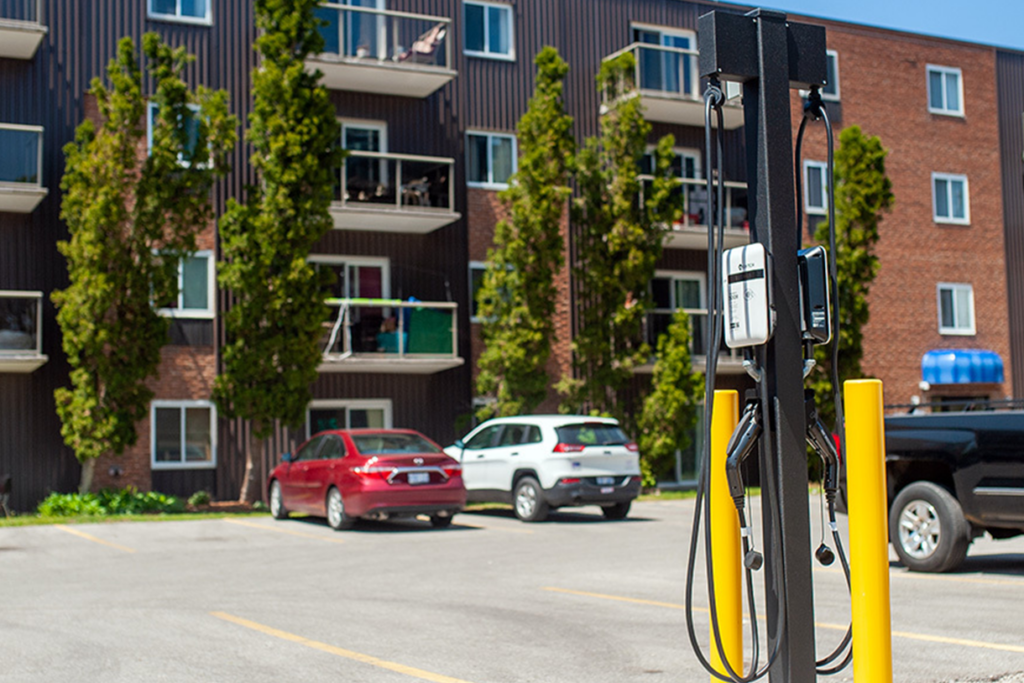
Even with the changes to federal incentives, electric vehicle charging continues to grow as an important resident expectation. Many communities now view charging access as a core amenity that strengthens property appeal and supports long term retention.
For ongoing renovations and upcoming projects, EV readiness remains a relevant consideration. Communities with strong resident interest may continue installing stations. Others may choose phased upgrades, alternative funding models, or future planning that keeps electrical capacity in place for later installation.
Planning The Next Steps
The coming year gives multifamily properties a useful window to assess renovation plans and construction timelines. Reviewing current EV strategies will help determine whether certain work should be accelerated or adjusted before the remaining federal support ends.
Local and state programs may continue to offer their own EV incentives, and some regions may expand support as federal changes take effect. Staying aware of these programs can help properties manage costs while continuing to prepare for growing resident expectations.
Looking Ahead
The changes to electric vehicle incentives reshape how multifamily communities plan for charging access and future resident needs. With federal credits winding down, property teams can take this moment to reassess timelines, explore available programs, and determine the most effective approach for adding or expanding charging options. The transition creates space for careful evaluation, thoughtful budgeting, and long term planning that supports resident expectations as electric vehicle adoption continues to evolve across the industry.
Partner with Matrix Construction Services
Matrix Construction Services supports multifamily properties as they evaluate improvement plans, including updates that prepare communities for changing electric vehicle infrastructure needs. The team brings experience in project coordination, renovation work, and property wide upgrades that help maintain strong resident experiences. Reach out to discuss how upcoming improvements can position your property for continued value as the industry adjusts to the updated EV landscape.