
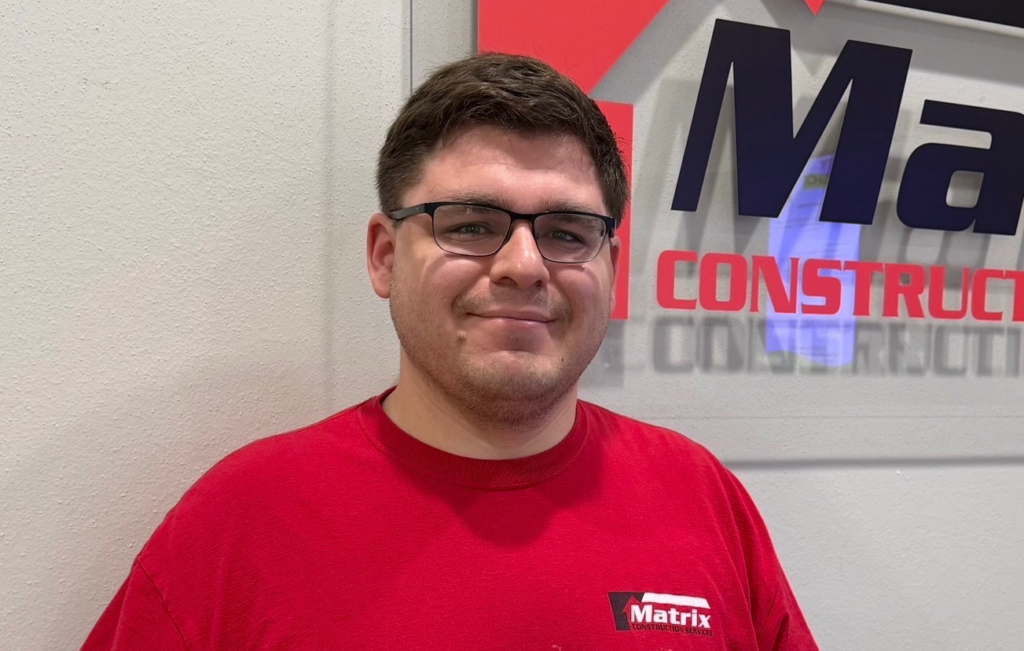

At Matrix Construction Services, we’re proud to congratulate Grayson on earning his Part 107 commercial drone license. This certification is a major accomplishment and reflects the time, preparation, and dedication it takes to understand safe drone operations, FAA requirements, and the responsibilities that come with flying for commercial use.
What Is a Part 107 License?
A Part 107 license, officially known as a Remote Pilot Certificate, allows drone pilots to operate drones for commercial purposes under FAA rules. For Matrix, this opens the door to more opportunities for capturing aerial photos and videos of our projects, properties, and completed work in a safe and compliant way. Drone footage has become a valuable tool across the construction and multifamily industries. It gives teams a broader view of a property, shows the scale of exterior work, and helps document progress from angles that are not always possible from the ground.
What It Takes to Earn the Certification
Earning a Part 107 license requires more than knowing how to fly a drone. The exam covers a wide range of aviation topics that help pilots make safe decisions before, during, and after each flight. Some of the key study areas include FAA regulations, airspace classifications, flight restrictions, weather conditions, airport operations, emergency procedures, radio communication, drone loading and performance, maintenance, preflight inspections, and night operations. These topics are important because commercial drone work requires awareness of the surrounding environment. A certified remote pilot needs to understand where drones can fly, when additional authorization may be needed, how weather can affect performance, and how to operate around people, properties, airports, and other aircraft.
Turning Preparation Into Opportunity
For Matrix, this certification adds another way to support our teams and showcase the work being completed across the communities we serve. Aerial content can help capture the size and scope of exterior renovations, paint projects, roof work, amenity upgrades, property improvements, and large-scale repairs. Drone photography and video can also support project documentation. It can show progress over time, provide before-and-after comparisons, and help create a clear visual record of completed work. This gives our teams another tool for communicating with clients and highlighting the level of care that goes into each project.
Expanding How We Tell Project Stories
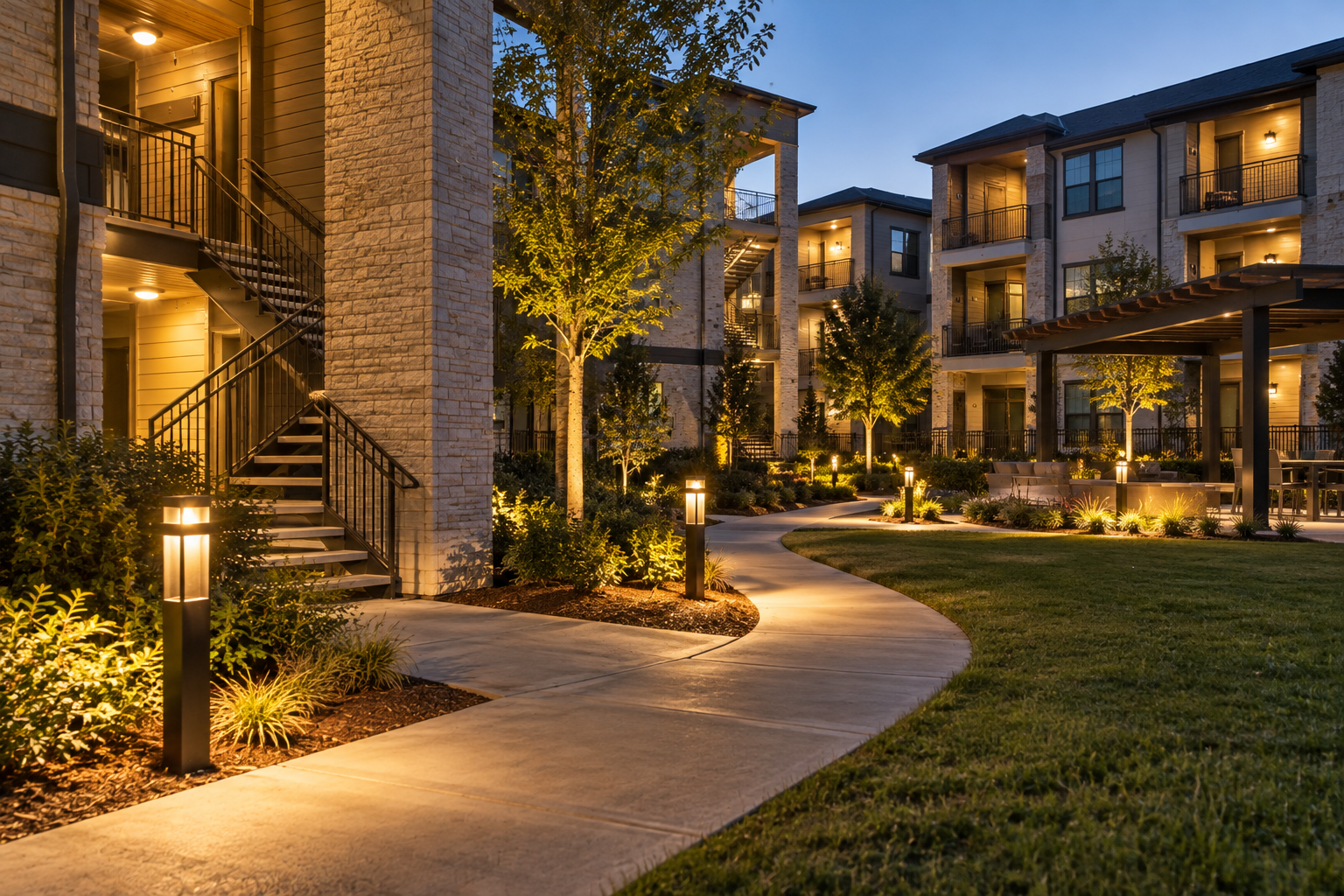
Project spotlights are an important part of how Matrix shares the work our teams complete. With drone capabilities, we can add a new perspective to those stories. Aerial views can show the full layout of a property, the impact of completed improvements, and the connection between different areas of a project. This is especially useful for multifamily communities, where projects often cover multiple buildings, exterior areas, parking lots, courtyards, amenity spaces, and common areas. Drone content helps show the full picture in a way that ground-level photos cannot always capture.
Supporting Marketing, Communication, and Client Experience
This new capability also strengthens our marketing and communication efforts. Aerial footage can be used for website project pages, social media posts, video content, client updates, and internal presentations. It helps bring projects to life and gives clients a clear look at the work being performed on their properties. As Matrix continues to grow, tools like drone photography help us create stronger visual content and better showcase the quality, scale, and impact of our work.
Congratulations, Grayson
Congratulations again to Grayson on earning his Part 107 commercial drone license. We’re excited to see how this certification helps expand Matrix’s project documentation, marketing content, and project showcase capabilities moving forward. Way to go, Grayson!